
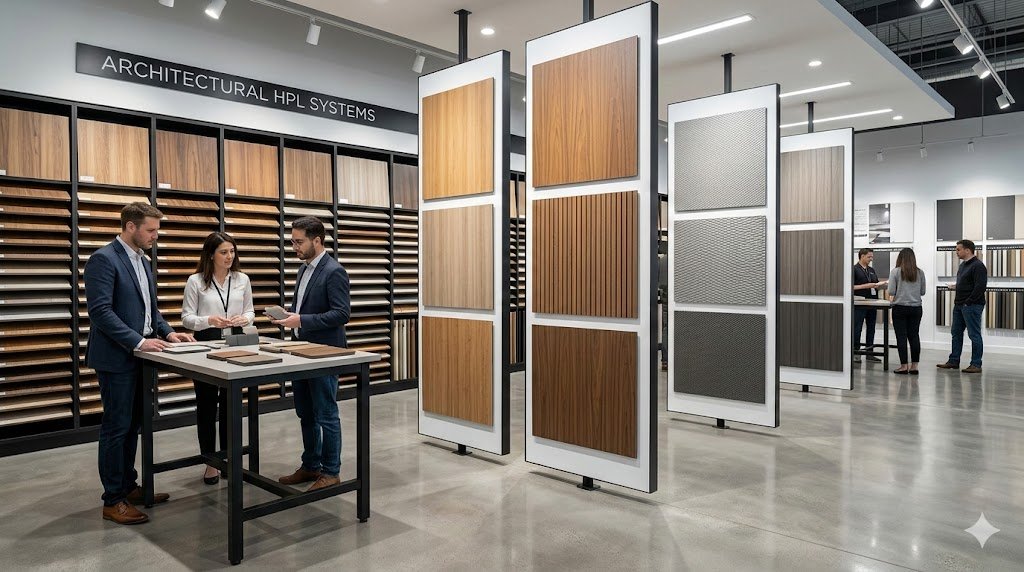
- Understanding HPL Basics and Applications
- Key Properties to Verify Before Purchase
- Warranty, Certifications and After‑Sales Support
- Practical Buying Checklist and Mistakes to Avoid
Choosing the right HPL sheet for your first project can feel overwhelming, but a clear checklist simplifies the decision. This guide walks you through the essential factors to examine, helping you avoid common pitfalls and select a laminate that meets both aesthetic and functional needs.Understanding HPL Basics and Applications High Pressure Laminate (HPL) is a durable surface material created by fusing multiple layers of kraft paper impregnated with resin under high heat and pressure. The result is a thin, strong sheet that can be bonded to substrates such as plywood, MDF, or particleboard for a variety of interior uses.What is HPL?HPL consists of a decorative paper layer topped with a clear melamine overlay, providing both visual appeal and protection. The manufacturing process gives it inherent resistance to moisture, impact, and wear, making it suitable for high‑traffic environments.Common usesHPLMAKER’s products are specified for furniture, wall cladding, flooring, false ceilings, bathroom cubicles, and public spaces including airports, hospitals, and schools. Architects, builders, interior designers, contractors, and homeowners across India rely on HPL for its versatility and long‑term performance.Key Properties to Verify Before PurchaseBefore committing to a purchase, confirm that the HPL sheet delivers the core benefits that justify its use over other surface materials. The following properties are especially important for first‑time buyers.Moisture and Water ResistanceHPL sheets resist water absorption, which prevents swelling or delamination when used in kitchens, bathrooms, or areas prone to spills. Ensure the product is rated for moisture resistance if the application involves frequent water contact.UV Resistance and Color StabilityExposure to sunlight can cause fading in many laminates. HPLMAKER’s sheets are formulated to retain color and pattern integrity under UV light, making them appropriate for windowsills, exterior‑facing wall panels, or sunlit retail spaces.Fire‑Retardant and Safety FeaturesFire‑retardant grades slow the spread of flames and reduce smoke development. Verify that the HPLMAKER’s fire‑retardant certification if the installation is in commercial buildings, schools, or hospitals where safety regulations are strict.Durability (Scratch, Stain, and Termite Resistance)The surface resists scratches from daily use, stains from common household chemicals, and termite attack. Check the product specifications for these resistances, especially for furniture or flooring in high‑activity zones.Maintenance and CleaningHPL surfaces are easy to clean with mild detergents and a soft cloth. No special polishing or sealing is required, which reduces long‑term upkeep costs for homeowners and facility managers.Warranty, Certifications and After‑Sales SupportA strong warranty and reliable support network add confidence to your purchase, particularly when investing in large‑scale installations.Live Camera Warranty (up to 25 years)HPLMAKER offers an up to 25‑year Live Camera Warranty, described as the only one of its kind in India. This warranty covers manufacturing defects and performance issues related to moisture resistance, UV stability, and structural integrity when the product is installed according to guidelines.What the warranty coversThe warranty protects against delamination, surface cracking, discoloration, and loss of fire‑retardant properties under normal use. It does not cover damage from improper handling, incorrect substrate preparation, or accidental impact beyond the product’s rated impact resistance.Service network across IndiaWith 13 offices nationwide, HPLMAKER provides technical assistance, sample requests, and timely delivery to architects, builders, interior designers, contractors, and homeowners. Access to local support helps resolve queries on product selection, installation methods, and maintenance advice.Practical Buying Checklist and Mistakes to AvoidSummarize the essential points into a quick reference list and be aware of frequent errors that first‑time buyers encounter.Checklist summaryUV StabilityMaintains color in sun‑lit spacesConfirm UV‑protected surface; ask for sample exposure data if availableCommon pitfalls to avoid
- Ignoring substrate compatibility – HPL must be bonded to a stable, moisture‑resistant base; using warped or untreated boards can cause delamination.
- Overlooking edge protection – exposed edges absorb moisture and can lead to swelling; always seal or band cut edges.
- Selecting the wrong thickness for load‑bearing surfaces – thin sheets may flex under weight; opt for thicker grades for flooring or countertops.
- Assuming all HPL grades have the same UV resistance – verify UV‑stabilized options for outdoor‑facing or high‑sunlight installations.
- Neglecting to review warranty exclusions – understand what actions (e.g., improper cleaning agents, impact beyond rated limits) could void coverage.
Talk to HPLMAKERHPLMAKER is one of India’s leading high pressure laminate manufacturers, based in Indore and trusted by architects, builders, and homeowners across the country. Every sheet is backed by an industry-first up-to-25-year live camera warranty and complete local support. To get the right shade and the best price for your project, call +91 89824 90236 or write to marketing@hplmaker.com.
| Item to Check | Why It Matters | What to Look For (HPLMAKER) |
|---|---|---|
| Thickness | Affects strength and suitability for different applications | Standard thicknesses range from 0.6 mm to 1.5 mm; choose thicker sheets for flooring or high‑impact zones |
| Moisture Resistance | Prevents swelling in wet areas | Look for water‑resistant grade; verify certification for bathroom or kitchen use |
| Fire‑Retardant Rating | Meets safety codes for commercial projects | Check for fire‑retardant classification (e.g., B‑s2, d0) if required |
| Surface Durability | Resists scratches, stains, and termites | Ensure scratch‑resistant overlay and termite‑proof core |
| Warranty Coverage | Provides long‑term assurance | Up to 25‑year Live Camera Warranty; review terms for moisture, UV, and fire‑retardant performance |
| Edge Sealing | Prevents moisture ingress at cut edges | Use recommended edge‑banding or sealant provided by manufacturer |